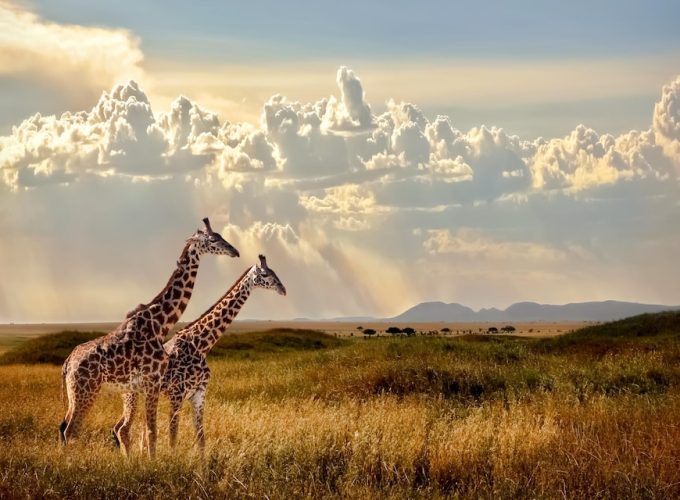
A Majestic Climb to Africa’s Second-Highest Peak
Are you planning to climb Mount Kenya? Here’s everything you need to know before trekking Africa’s second-highest mountain, from routes and seasons to wildlife and guided experiences.
Mount Kenya is one of Kenya’s most spectacular natural landmarks and a UNESCO World Heritage Site. Located in central Kenya, the mountain rises dramatically above the surrounding plains, offering a rewarding adventure for trekkers, climbers, and nature lovers.
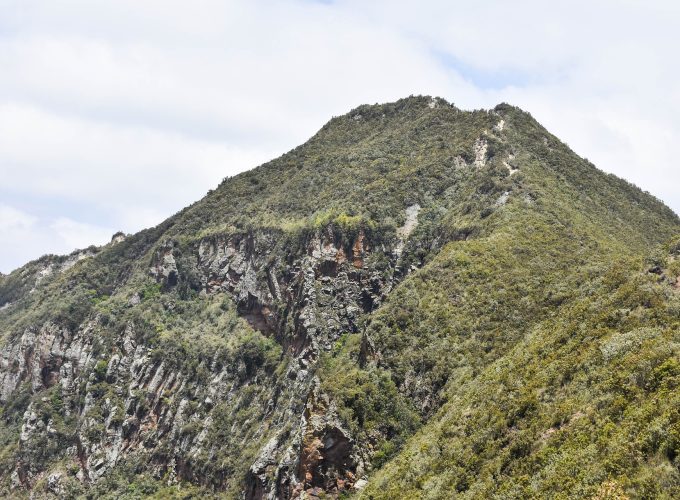
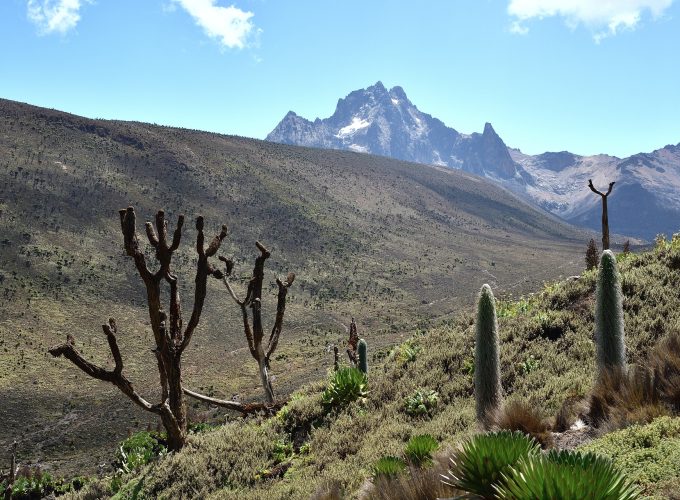
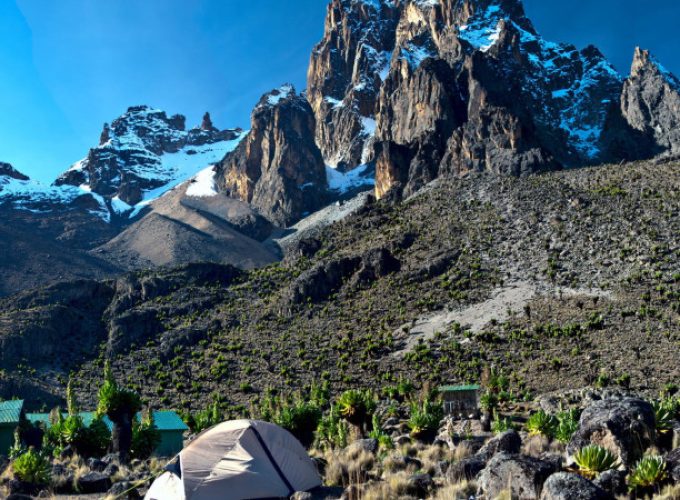
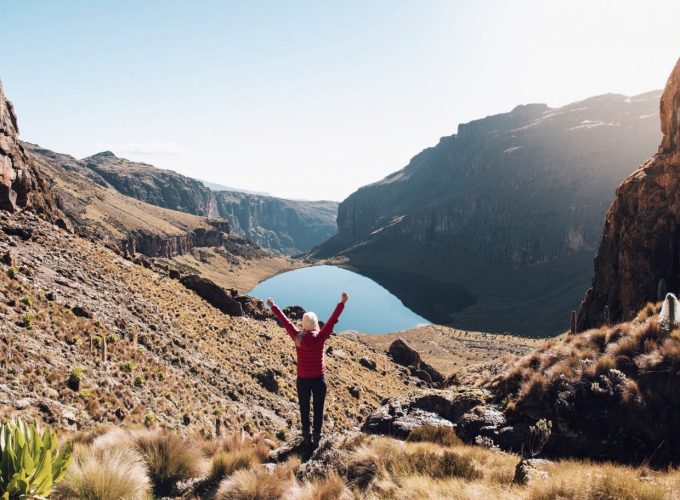
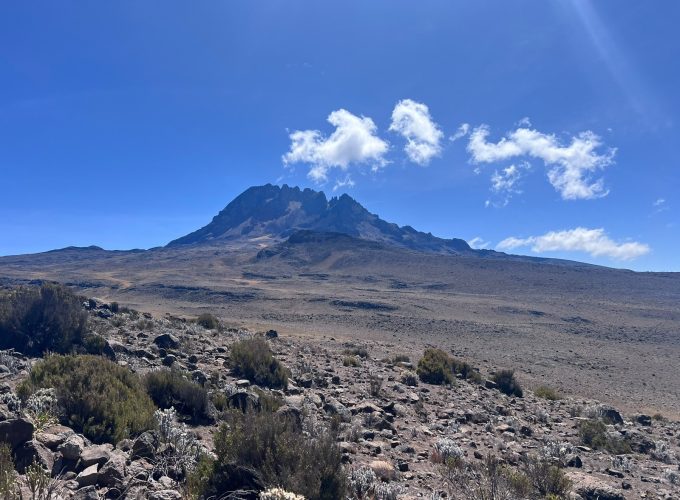
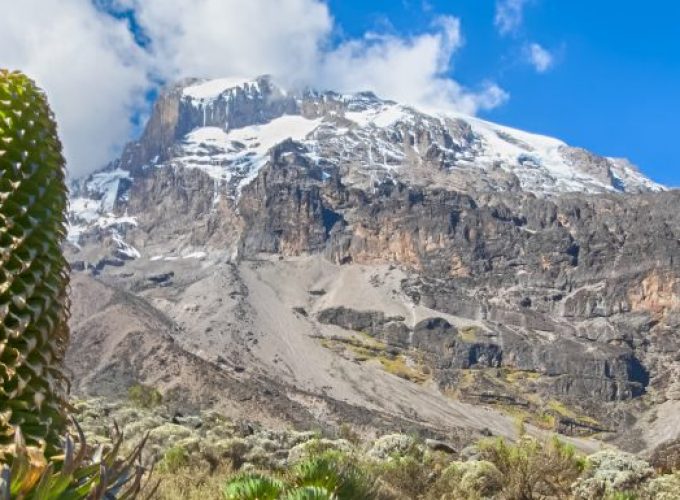
Mount Kenya is renowned for its diverse landscapes, which range from dense montane forests and bamboo zones to alpine moorlands, glaciers, and rugged rocky peaks. Whether you are aiming for a non-technical trek or a challenging summit climb, Mount Kenya offers unforgettable scenery and a true sense of wilderness.
Mount Kenya Climbing Experience
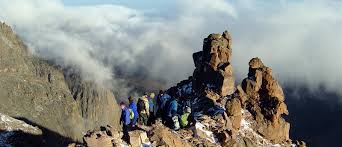
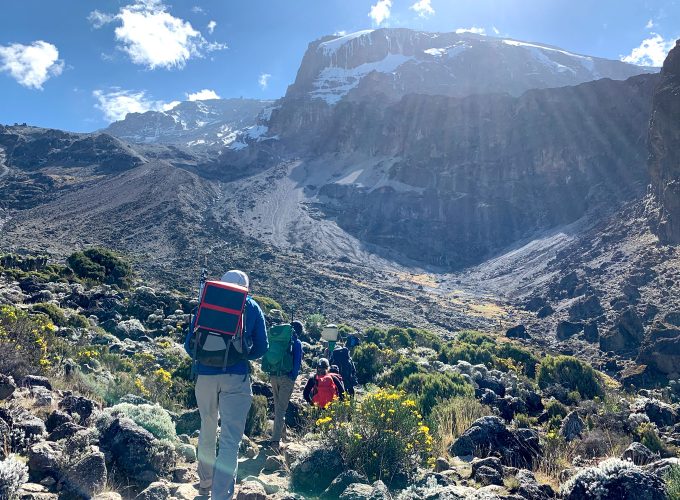
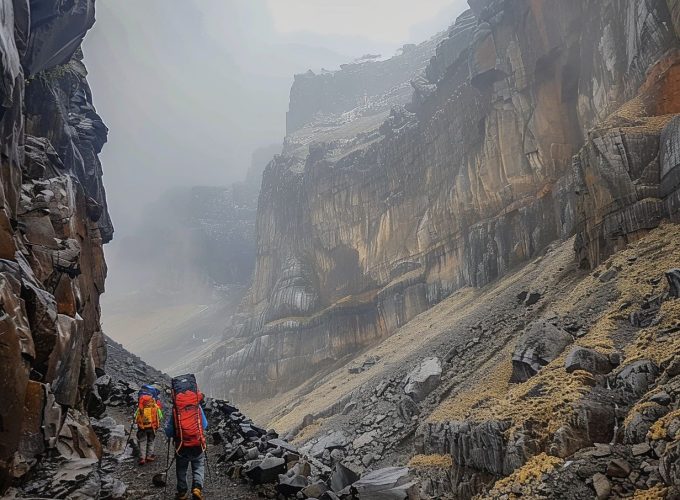
Climbing Mount Kenya is a unique adventure suitable for different fitness and experience levels. The mountain has several established routes, each offering distinct scenery and difficulty levels.
Popular climbing routes include:
- Sirimon Route – scenic and gradual, ideal for acclimatization
- Chogoria Route – widely regarded as the most beautiful route
- Naro Moru Route – the fastest and most direct ascent
Most trekkers aim to reach Point Lenana (4,985m), a non-technical summit that offers breathtaking sunrise views over the plains below. Technical climbers can also attempt Batian and Nelion Peaks, which require mountaineering skills.
Wildlife and Nature to Encounter
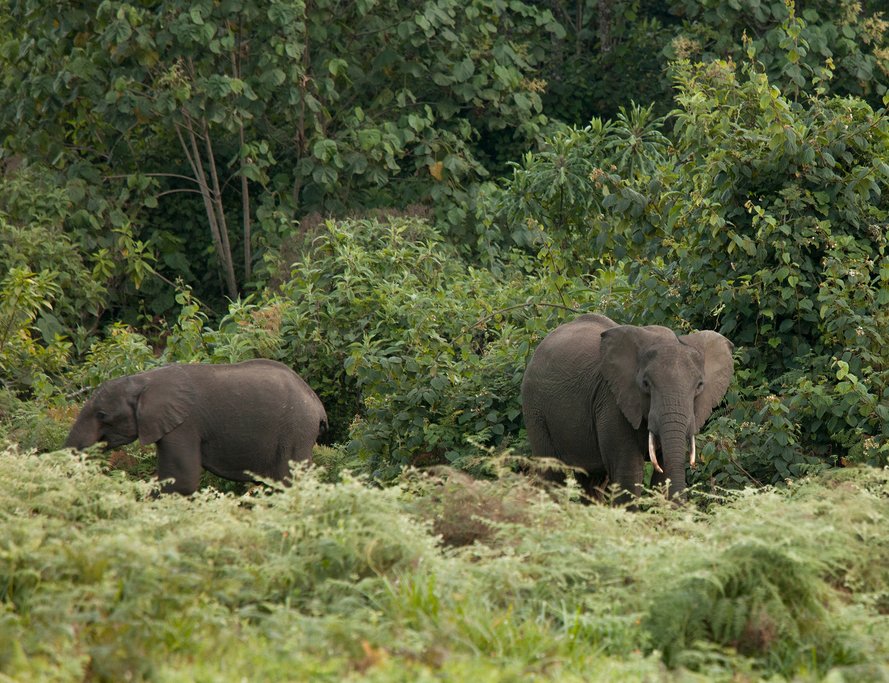
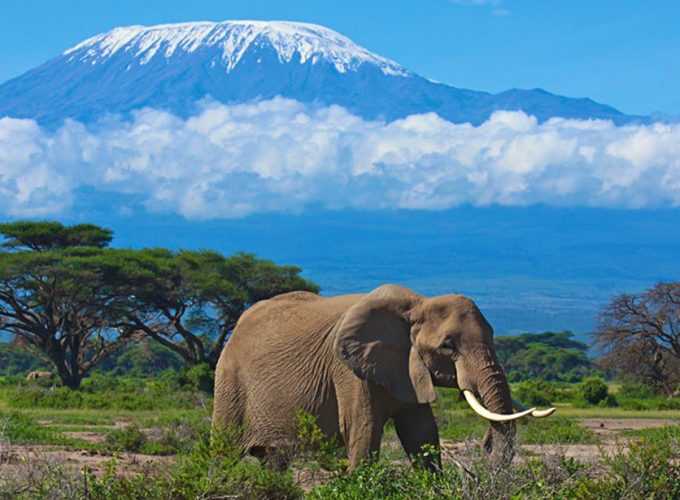
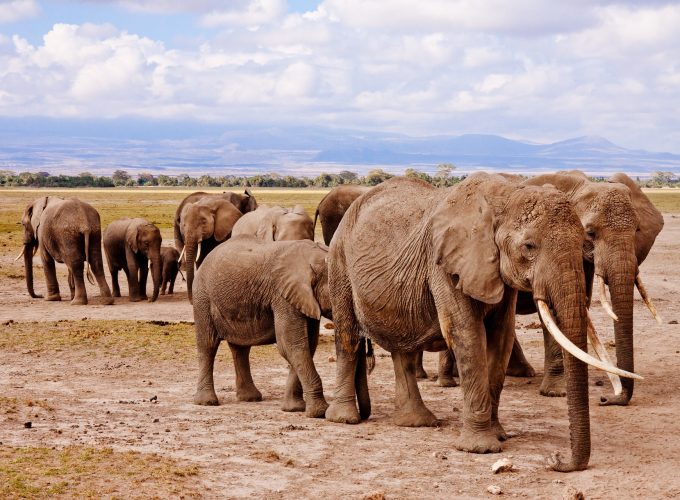
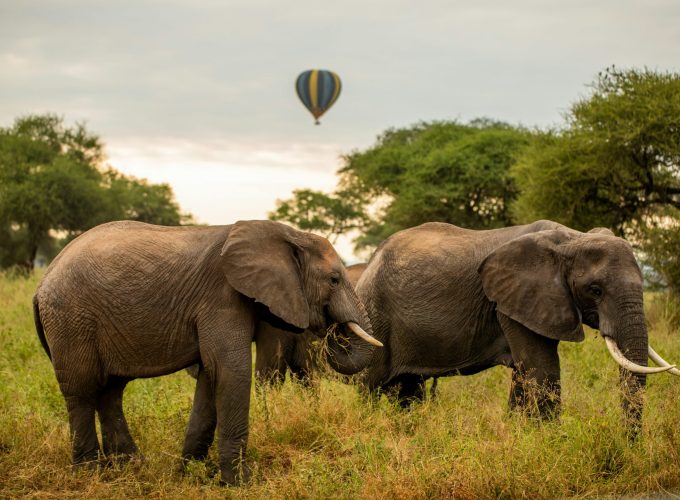
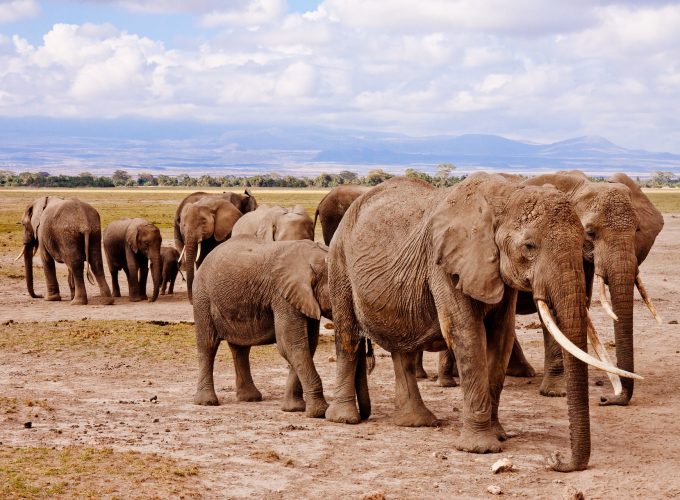
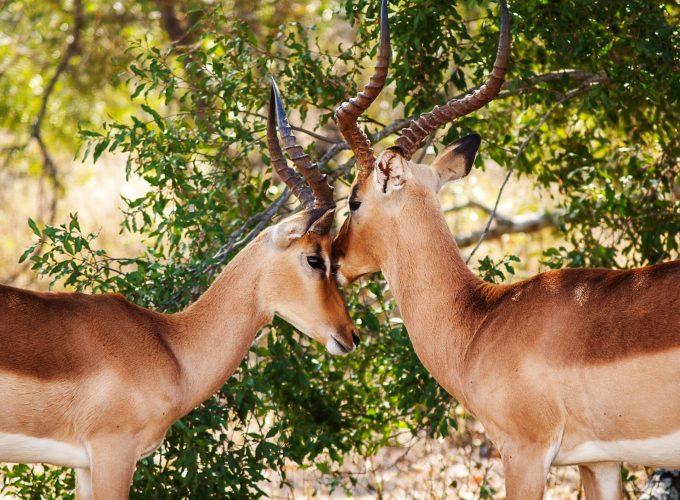
Mount Kenya National Park is not only a mountain destination but also a vital wildlife habitat. As you trek through the lower forest zones, you may encounter:
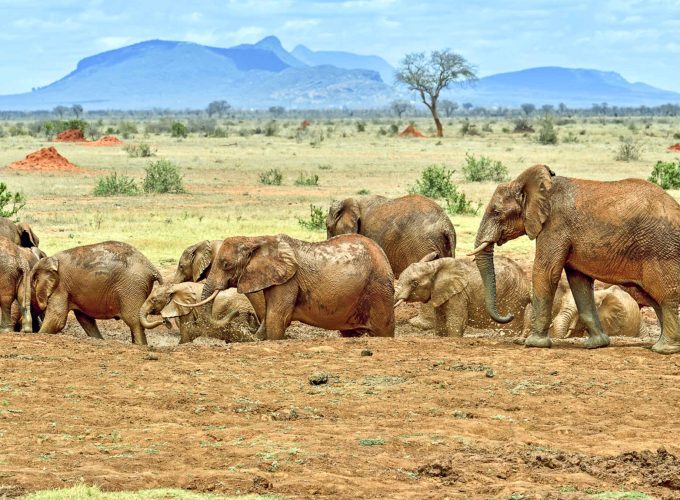
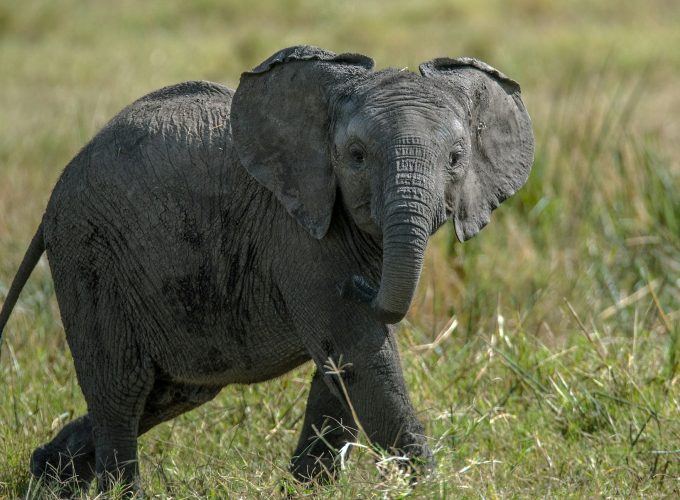
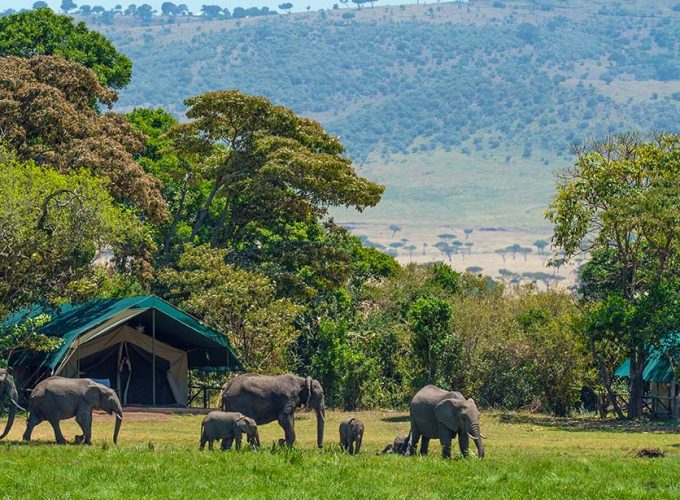
- Elephants and buffaloes
- Colobus and Sykes’ monkeys
- Bushbucks and giant forest hogs
- Diverse bird species and endemic flora
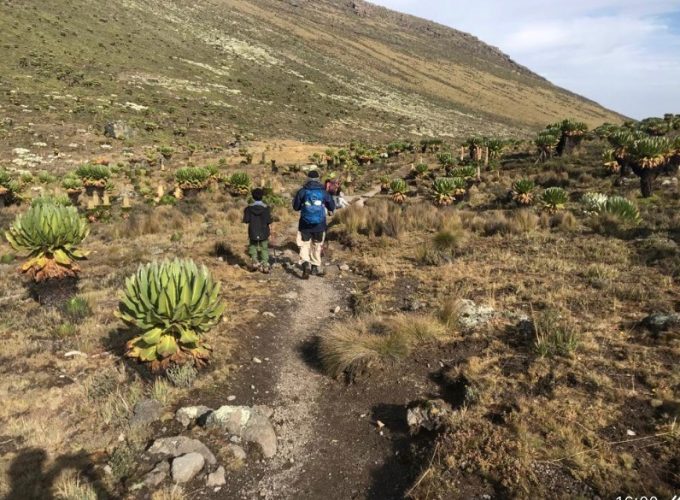
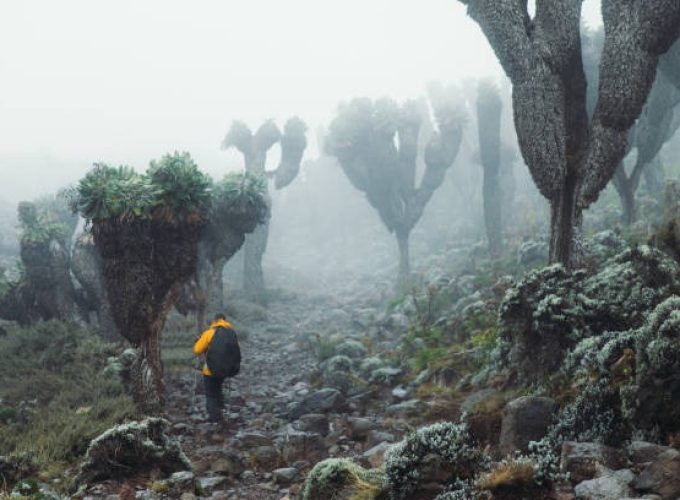
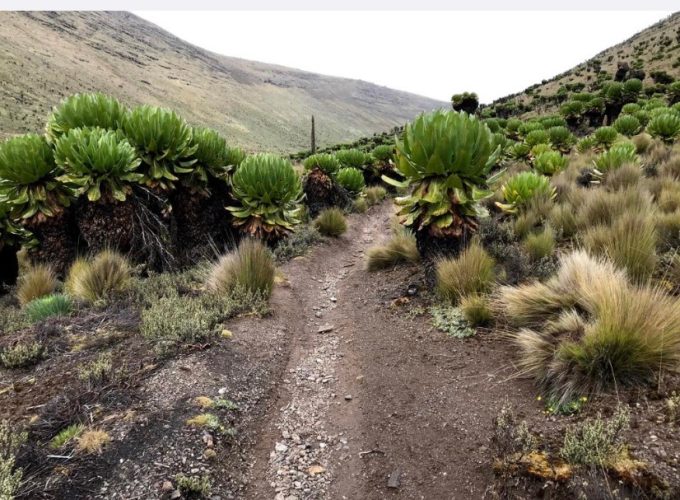
The mountain is also famous for its unique plant life, including giant lobelias and giant groundsels, which thrive in the alpine zones and are found nowhere else in this form.
Best Time to Visit
Mount Kenya can be climbed year-round, but the best conditions are during the drier seasons:
- January to February – clear skies and good trekking conditions
- June to September – cool, dry weather and excellent visibility
March to May and October to November are wetter months, offering lush scenery but more challenging trail conditions.
Cultural Significance of Mount Kenya
Mount Kenya holds deep cultural and spiritual importance for the Kikuyu people, who regard it as a sacred mountain and the dwelling place of Ngai (God). This cultural heritage adds a meaningful dimension to any visit, connecting nature, tradition, and history.
Mount Kenya Treks with Wildmont Safaris
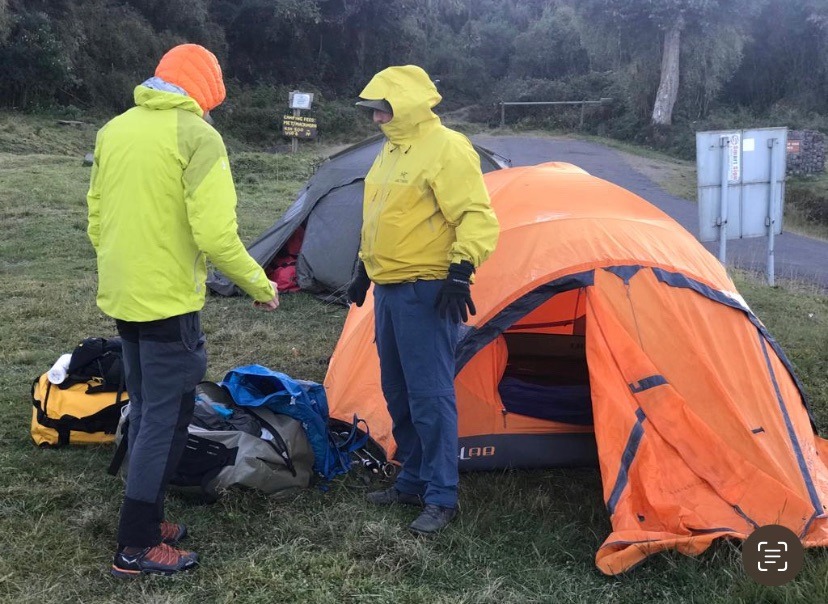
Wildmont Safaris offers professionally guided Mount Kenya treks designed for safety, comfort, and unforgettable experiences. Our Mount Kenya adventures include:
- Experienced mountain guides and porters
- Carefully planned itineraries for proper acclimatization
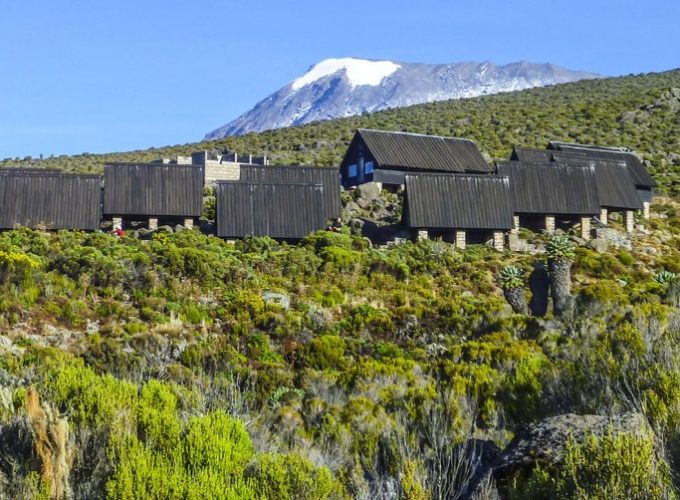
- Quality camping equipment and meals
- Private and small-group treks
Whether you are planning a short trek or a multi-day summit adventure, we tailor each Mount Kenya climb to your interests and fitness level.
Plan Your Mount Kenya Climb
Ready to explore Mount Kenya? Contact Wildmont Safaris to plan your Mount Kenya climbing adventure and experience one of Africa’s most remarkable mountain landscapes.