3 Days/2 Nights
Daily Tour
Unlimited
English
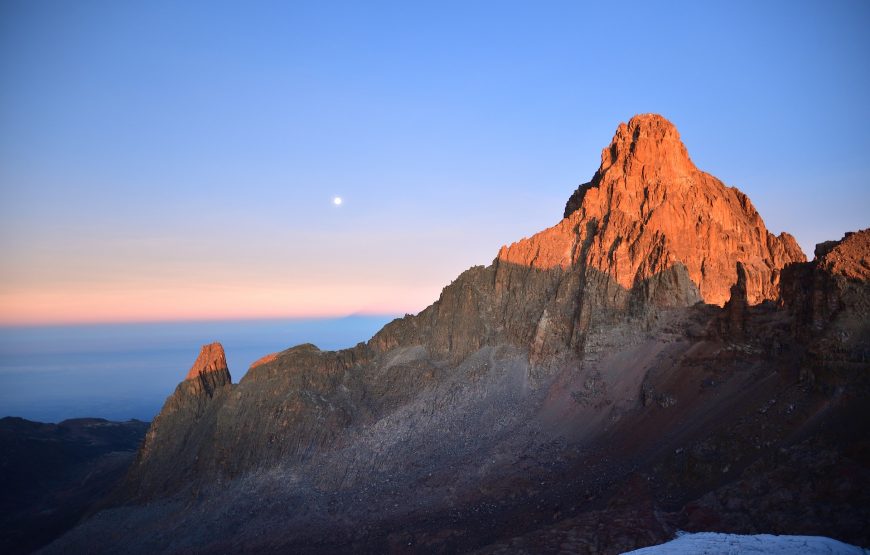
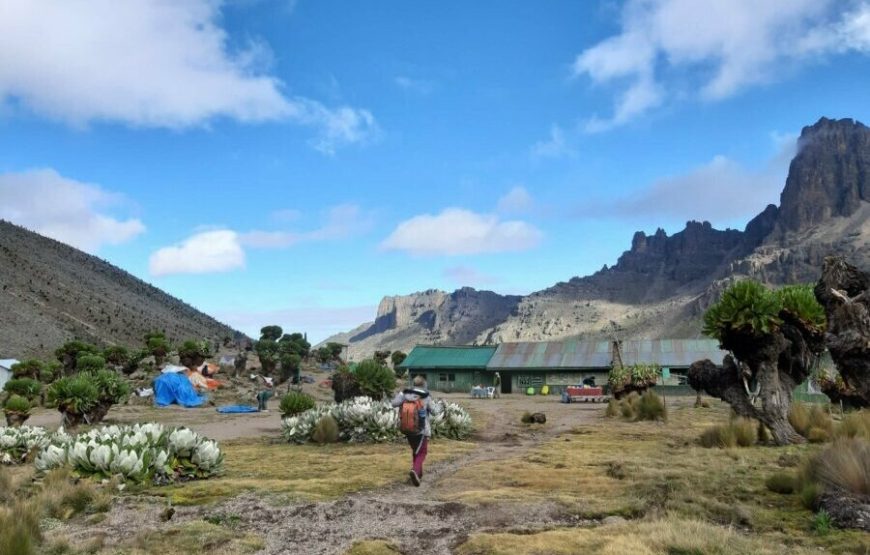
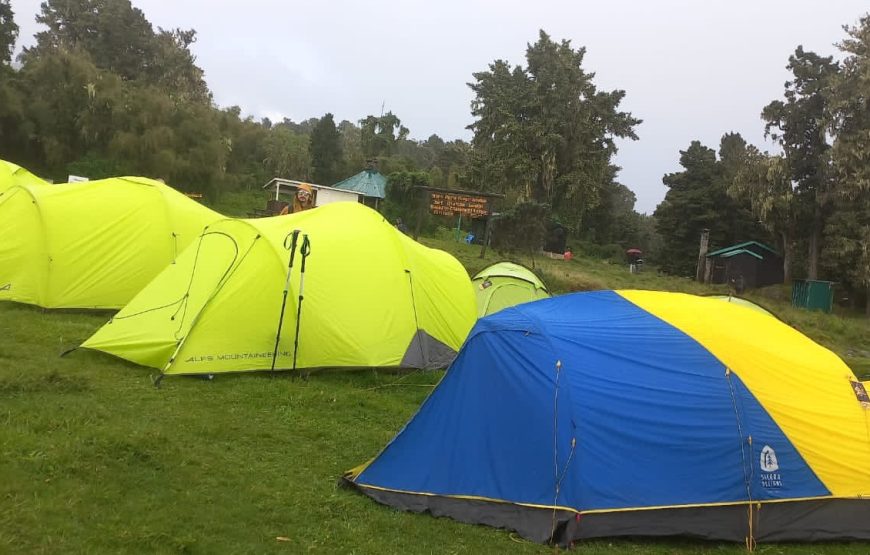
The Mt. Kenya Sirimon route hike is a thrilling 3-day trek perfect for anyone seeking a taste of adventure. If you’re looking for high-altitude landscape and a refreshing escape into the wild, this is exactly what you need. It’s ideal for those who want mountain magic without the pressure of summiting.
The journey begins with a scenic drive from Nairobi to the Sirimon Gate. Once you arrive, your hike kicks off on a gentle trail that leads through peaceful montane forests and dense bamboo thickets. Along the way, you may spot colobus monkeys, bushbucks, and vibrant birdlife. As the altitude increases, the landscape opens up to sweeping heathlands and beautiful views of jagged peaks above.
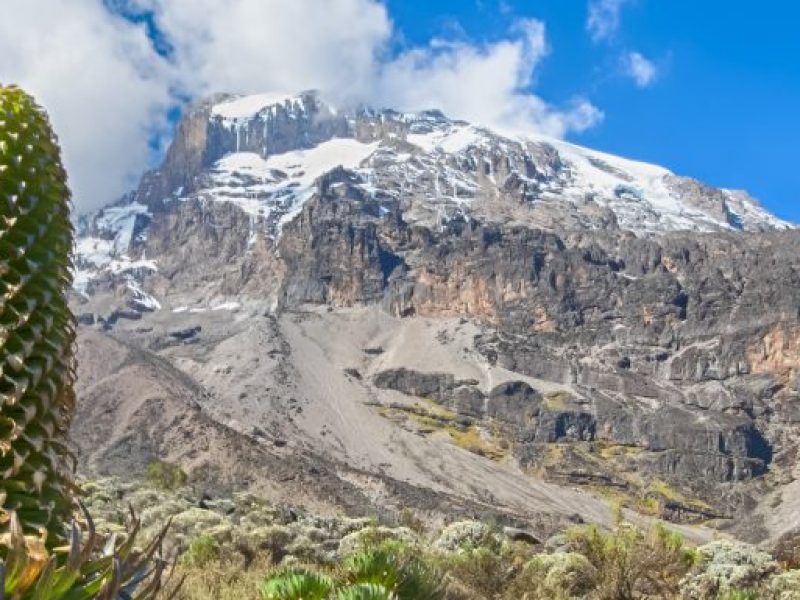
On day two, the trail leads you into the striking moorland zone, where you’ll see rare alpine plants like giant lobelias and groundsel. The scenery becomes more dramatic with every step—featuring deep valleys, rocky ridges, and glacial streams flowing through ancient terrain. Even though you won’t reach the summit on this itinerary, the altitude, views, and terrain shifts provide a deeply fulfilling mountain experience.
Throughout the Mt. Kenya Sirimon Route hike, experienced mountain guides accompany you. They’ll manage the pace, help you adjust to altitude changes, and share fascinating facts about the region’s ecology, culture, and geology. Their support ensures you remain safe and well-prepared throughout your journey.
On the final day, you descend the same trail with fresh perspectives and deep satisfaction. Whether you’re preparing for bigger climbs or just want to reconnect with nature, this hike offers the perfect balance of challenge, comfort, and breathtaking beauty.
Contact us to customize your hike
Learn more about Mt. Kenya National Park (Kenya Wildlife Service)
Tent (provided by us)
Sleeping bag (Snug fit; rated between -10°C to 0°C for cold nights)
Hiking boots (Waterproof, well broken-in, and comfortable)
Pair of light sports shoes (For walking around camp)
Layer for warmth, breathability, and waterproofing
Gloves
Balaclava
Woolen hat
Sun hat or baseball cap
Waterproof jacket and trousers
Windproof jacket
Fleece
T-shirts
Warm socks
Warm long trousers
Shorts
Warm jersey or sweater
Thermal underwear
Head torch
Large rucksack (For porters to carry main gear)
Small daypack (For water, snacks, camera, and layers)
Drinking bottle (Preferably a metal thermos – doubles as a night hot water bottle)
Note: Plastic bottles are not allowed in Mt. Kenya National Park
Sunglasses (With UV protection)
Water purification tablets (We boil water for clients as well)
Walking poles (Helpful for ascents and descents)
Wet wipes (Good for freshening up without cold water)
Travel pillow
High-energy bars or sweets
Gaiters (Keep stones, mud, or snow out of your boots)

Depart from Nanyuki town and head to Sirimon Gate at 2650m. From here, begin your hike to Old Moses Camp, situated at an elevation of 3300m. The trek typically takes around 3 to 4 hours and covers a distance of 9 km. Spend the night at Old Moses Camp, where you can rest and acclimate for the next day's climb.
After an early start from Old Moses Camp, the track crosses the Ontulili River and contours through the Moorland, offering spectacular views of the surrounding landscape. You will cross the Likii North River and continue uphill through the beautiful Mackinder's Valley, from where you can admire the scenic views leading up to the main peaks. The trek from Old Moses Camp to Shipton Camp covers 14 km and takes about 6 to 7 hours. Overnight at Shipton Camp, preparing for the summit ascent.
Wake up early at around 3 am for the final push to Point Lenana, standing at 4985m. The hike to the summit takes approximately 3 hours and offers a breathtaking sunrise experience from the peak. After celebrating your accomplishment at the summit, descend back to Shipton Camp for a well-deserved breakfast. Following breakfast, continue your descent to Old Moses Camp, where your journey back to Nanyuki town will commence.
Yes, it is considered the easiest route to ascend Mount Kenya, but a reasonable level of fitness is required.
The itinerary is designed to allow gradual acclimatization, but staying hydrated and maintaining a steady pace is crucial.
Experienced guides are equipped to handle emergencies, including descent or evacuation if necessary.
Essential items include sturdy hiking boots, warm clothing, a sleeping bag, water bottles, sunscreen, and snacks.